

Stencil Techniques You Should Try for Clean, Professional Results
Posted by Susie W. on Feb 3rd 2026
Using the right stencil is only part of the equation. How you apply paint makes a huge difference in how clean, sharp, and professional your finished project looks.
Below are proven stencil techniques that work for beginners and experienced DIYers alike.
- Stencil Brush Technique
The stencil brush is one of the most popular and forgiving tools.
Best for:
- Walls
- Furniture
- Signs and décor
Tips:
- Use a pouncing motion, not strokes
- Load very little paint on the brush
- Build color slowly in light layers
This technique minimizes paint bleed and creates crisp edges.
- Sponge Stenciling
Sponges are great for soft finishes and textured looks.
Works well on:
- Furniture
- Canvas
- Rustic or distressed projects
Tips:
- Dab excess paint off before applying
- Use gentle pressure
- Avoid overworking one area
Sponge stenciling is ideal for farmhouse and vintage styles.
- Roller Stenciling
Rollers are best for large, repeating patterns.
Ideal for:
- Accent walls
- Floors
- Large surfaces
Tips:
- Use a dense foam roller
- Roll off excess paint before applying
- Apply light pressure to prevent bleed
This method speeds up large projects while keeping patterns consistent.
- Spray Paint and Airbrush Techniques
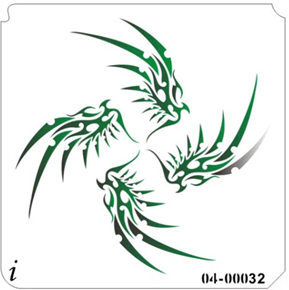
Spray application creates smooth, even coverage.
Best used for:
- Signs
- Craft projects
- Outdoor décor
Tips:
- Secure the stencil tightly
- Use quick, light passes
- Keep the spray moving to avoid buildup
Controlled spraying produces sharp, modern results.
- Layered Stencil Techniques
Layered stencils add depth and dimension.
Common uses:
- Multi-color designs
- Shading and highlights
- Detailed artwork
Tips:
- Let each layer dry before continuing
- Align carefully between layers
- Start with lighter colors and work darker
Layering creates a high-end, custom look.
- Distressed and Weathered Effects
Distressed stenciling adds character and texture.
Popular on:
- Farmhouse signs
- Vintage décor
- Rustic furniture
Tips:
- Use minimal paint
- Lightly sand after drying
- Layer colors for depth
This technique works well with wood and aged finishes.
- Reverse Stenciling
Reverse stenciling flips the design for a bold effect.
How it works:
- Paint around the stencil instead of inside it
- Remove the stencil to reveal the design underneath
This method creates dramatic contrast and modern looks.
Tips for Clean Stencil Results Every Time
- Secure the stencil firmly before painting
- Use less paint than you think you need
- Remove the stencil carefully while paint is still slightly wet
- Clean the stencil between uses
Small details make a big difference.
Final Thoughts
Stenciling is as much about technique as it is about design. When you match the right application method to your project, your results look cleaner, sharper, and more professional.
Experiment with different techniques to find what works best for your style and surface.
? Explore reusable stencils at iStencils.com and put these techniques to work on your next project.